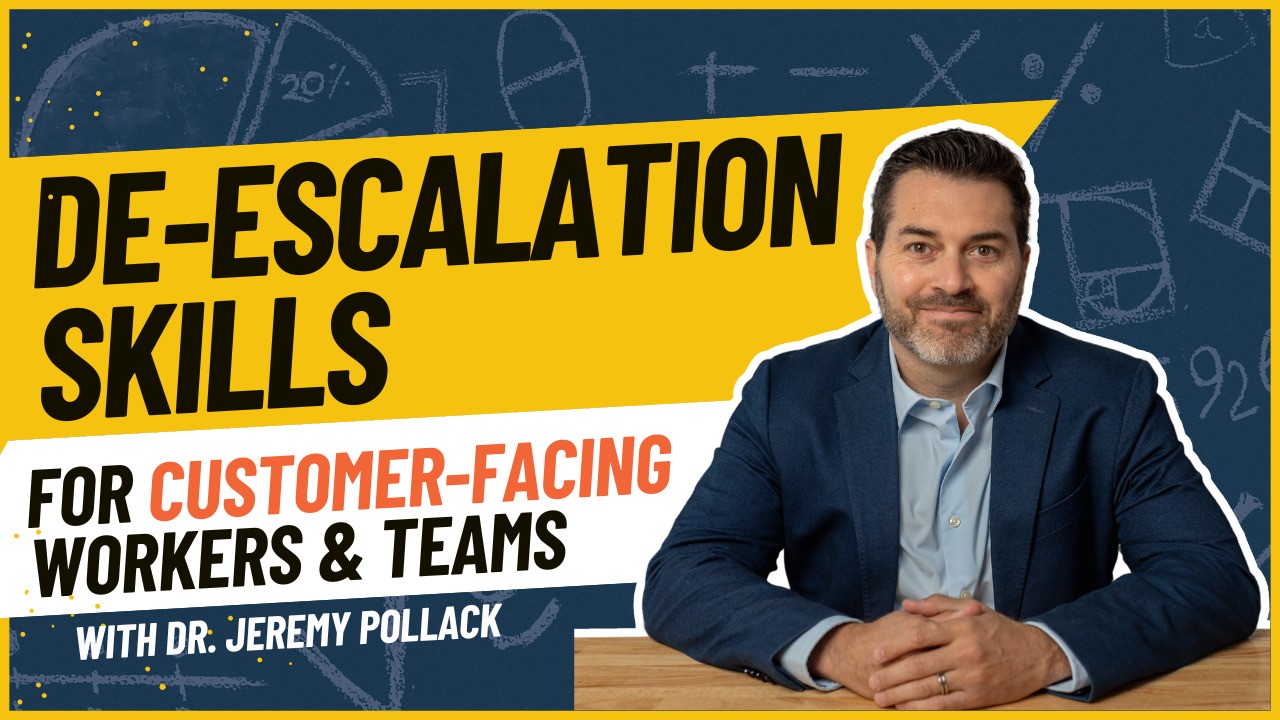
When emotions run high, our instinct is often to regain control. We want the other person to calm down. We want the conflict to end. We want the conversation back on track. Ironically, those instincts can make the situation worse.
Effective de-escalation is not about controlling people. It’s about reducing emotional intensity so people can think clearly again. When people move from emotional reaction to self-regulation, productive conversation becomes possible.
That’s why de-escalation is more than a crisis response technique. It’s one of the most valuable leadership skills you can develop.
Why People Escalate
Most people don’t escalate because they’re looking for conflict. They escalate because something feels threatened.
That threat might come from fear, embarrassment, frustration, confusion, feeling ignored, or a perceived loss of control. Sometimes it stems from previous experiences that make a situation feel far more overwhelming than it appears to others. When someone’s nervous system is under stress, logic alone won’t solve the problem. Before people can think clearly, they first need to feel safe.
Understanding this changes how leaders respond. Instead of asking, “How do I get this person to comply?” they begin asking, “What can I do to lower the level of threat?”
That shift often changes the entire interaction.
Recognizing When Someone Is Escalating
Escalation doesn’t always look the same, but there are common warning signs that someone is becoming emotionally overwhelmed.
You may notice:
- Raised voices
- Pacing
- Clenched fists
- Emotional outbursts
- Verbal aggression
- Refusal to cooperate
- Invading personal space
- Visible panic
- Destructive behavior
These behaviors don’t necessarily indicate that someone is being intentionally difficult. More often, they’re signals that the person is struggling to regulate their emotions. Leaders who recognize those signals early are far more likely to prevent the situation from becoming a crisis.
Restore Safety Before Solving the Problem
One of the biggest mistakes leaders make is trying to solve the problem before restoring calm. When emotions are elevated, people are less able to listen, reason, or collaborate. Instead, focus first on creating both physical and psychological safety.
This might mean moving to a quieter location, reducing distractions, maintaining appropriate physical distance, or removing unnecessary spectators. Sometimes simply slowing the pace of the conversation is enough to lower tension.
However, if there is an immediate threat of violence or serious harm, follow your organization’s emergency procedures. De-escalation supports safety, but it should never replace appropriate safety protocols.
Three Skills That De-Escalate Conflict
While every situation is different, effective leaders consistently rely on three core skills.
1. Calm Communication
People often mirror the emotional tone they receive.
A steady voice, slower pace, and respectful language communicate stability when someone else feels overwhelmed.
Simple phrases like these can help:
- “I want to help.”
- “Let’s slow this down.”
- “Help me understand what’s happening.”
- “We’ll figure out the next step together.”
These statements communicate partnership instead of control.
2. Active Listening
Many conflicts begin long before anyone raises their voice.
People often escalate because they don’t feel heard.
Active listening means giving someone your full attention, reflecting what you’ve heard, acknowledging emotions, and asking thoughtful questions.
For example:
- “I can see you’re frustrated.”
- “It sounds like you feel unheard.”
- “I understand why this feels upsetting.”
Validation isn’t agreement. It’s simply recognizing another person’s experience, which often lowers defensiveness and creates space for productive dialogue.
3. Calm Body Language
Your nonverbal communication matters just as much as your words. Crossed arms, pointing fingers, eye rolling, or standing too close can unintentionally increase someone’s sense of threat.
Instead, maintain an open posture, keep your hands visible, make appropriate eye contact, and respect personal space. People often decide whether they feel safe before you’ve finished your first sentence.
Restore a Sense of Control
A perceived loss of control is one of the most common drivers of escalation. Whenever possible, offer reasonable choices.
For example:
- “Would you rather continue this conversation here or somewhere quieter?”
- “Would you like a few minutes before we continue?”
- “Here are two options for how we can move forward.”
Even small choices help people regain a sense of autonomy, making cooperation far more likely.
Boundaries Are Part of De-Escalation
Being calm doesn’t mean accepting harmful behavior.
Strong leaders pair empathy with clear expectations.
For example:
“I want to work through this with you, but I can’t continue the conversation if the threats continue.”
Or:
“I’m happy to help, but I need you to take a step back so we can talk safely.”
Respectful boundaries protect everyone’s dignity while reinforcing that safety remains the priority.
De-Escalation Is Everyday Leadership
Many people think de-escalation only matters during major crises. In reality, leaders use these skills every day. They use them when coaching an employee who’s upset about feedback. When responding to an angry customer. When navigating disagreement during a team meeting. When helping coworkers work through conflict before it damages trust.
Every one of these moments shapes your workplace culture. At Peaceful Leaders Academy, we teach that great leadership isn’t measured by how much authority a leader has. It’s measured by how consistently they create trust, psychological safety, and environments where people can do their best work.
De-escalation is one of the skills that makes those outcomes possible.
Final Thoughts
The goal of de-escalation isn’t to win an argument or force compliance. It’s to reduce emotional intensity, protect safety, and preserve dignity so productive conversations can happen.
The leaders who handle conflict most effectively aren’t the ones who always have the right answer. They’re the ones who know how to regulate themselves first.
When leaders remain calm under pressure, they make it easier for others to do the same. Over time, those moments strengthen trust, reinforce psychological safety, and build healthier, more resilient workplace cultures.
That’s the real power of de-escalation, and that’s what makes it an essential leadership skill, not just a crisis response technique.